2026 International Symposium on Transformative Bioelectronic Medicine
Invited Speakers
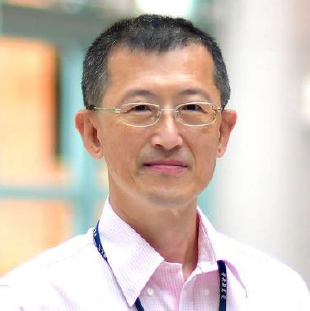
Chih-Cheng Chen
陳志成
Research Areas:
Pain Mechanisms, Neurosensory Mechanotransduction, Acid-Sensing Ion Channels, Chronic Muscle Pain, Proprioception, and Somatosensory Neuroscience.
Brief Biography:
Dr. Chih-Cheng Chen is a Distinguished Research Fellow at the Institute of Biomedical Sciences, Academia Sinica, Taiwan. He received his Ph.D. from University College London, UK. His research focuses on the molecular mechanisms of pain and neurosensory mechanotransduction, particularly the roles of acid-sensing ion channels (ASICs) and stretch-activated ion channels. His laboratory investigates tissue acidosis, chronic muscle pain, and the neural mechanisms underlying soreness and proprioception. His recent research has revealed that proprioceptors play an important role in sensing tissue acidosis, offering new insights into chronic pain mechanisms and potential therapeutic strategies.
Personal webpage link:
https://www.ibms.sinica.edu.tw/chih-cheng-chen/
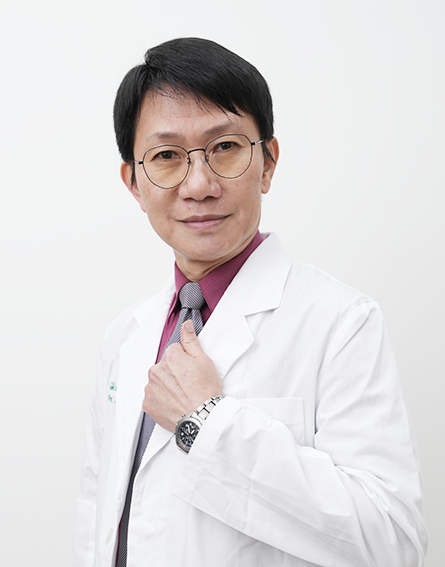
Yeong-Ray Wen
溫永銳
Research Areas:
Pain Medicine, Neuromodulation, Interventional Pain Management, Neuropathic Pain, Implantable Electrical Stimulation Devices, and Acupuncture Mechanisms.
Brief Biography:
Assoc. Prof. Yeong-Ray Wen is a physician-scientist specializing in pain medicine and neuromodulation. He received his Ph.D. in Clinical Medicine from Taipei Medical University and serves as an Associate Professor at National Chung Hsing University, Taiwan. He is also Vice Superintendent of Chuan Chuan Orthopedic and Pain Specialty Hospital. Previously, he directed the Pain Treatment and Research Center at China Medical University Hospital and served as President of the Taiwan Pain Society. His research focuses on pain mechanisms, interventional pain therapies, and innovative implantable electrical stimulation devices for managing chronic and neuropathic pain.
Personal webpage link:
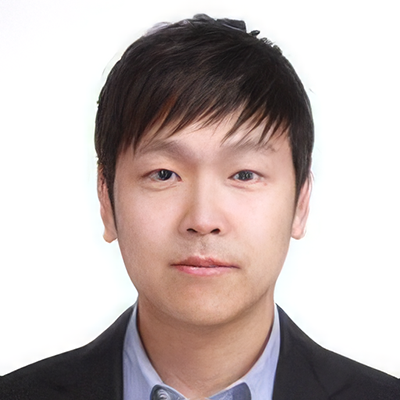
Jahyun Koo
Research Areas:
Bioelectronics, Bioresorbable Electronics, Implantable Medical Devices, Neural Interfaces, Wearable Biosensors, and Electrical Stimulation Therapy.
Brief Biography:
Assoc. Prof. Jahyun Koo is an Associate Professor in the School of Biomedical Engineering at Korea University, South Korea, where he leads the Neural Sensing & Therapy Laboratory. He received his Ph.D. in Materials Science and Engineering from KAIST in 2017 and subsequently conducted postdoctoral research at Northwestern University, USA. His research integrates materials science, electronics, and biomedical engineering to develop innovative devices for healthcare monitoring and disease treatment. His major interests include biodegradable implantable electronics, wearable biosensors, neural interfaces, and electrical stimulation technologies for therapeutic applications.
Personal webpage link:
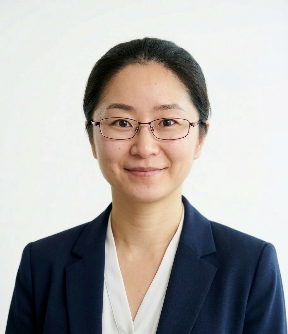
Pei Liu
刘培
Research Areas:
Protein Engineering, Synthetic Biology, Sonogenetics, Thermogenetics, Gene and Cell Therapy, Immunotherapy, and Neuromodulation.
Brief Biography:
Asst. Prof. Pei Liu is an Assistant Professor in the School of Chemistry, Chemical Engineering and Biotechnology at Nanyang Technological University (NTU), Singapore. She received her Ph.D. in Chemistry from the University of California, Berkeley, in 2019 and completed her postdoctoral training at Stanford University, where she developed ultrasound-activated CRISPR-Cas technologies. Before joining NTU in December 2025, she was a Senior Scientist at A*STAR's Institute of Molecular and Cell Biology. Her research focuses on engineering precision gene and cell therapies using non-invasive physical stimuli, including ultrasound, heat, and light, with applications in immunotherapy and neuromodulation.
Personal webpage link:
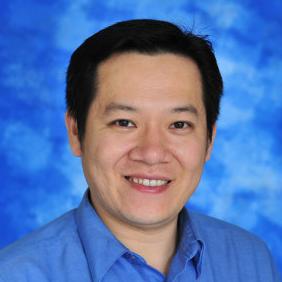
Hsin Chen
陳新
Research Areas:
Neuromorphic Engineering, Biomedical Integrated Circuits, Analog and Mixed-Signal VLSI Design, Neural Interfaces, and Closed-Loop Neuromodulation.
Brief Biography:
Prof. Hsin Chen is a Professor in the Department of Electrical Engineering at National Tsing Hua University (NTHU), Taiwan, where he leads the Neuro-Engineering Laboratory. He received his Ph.D. in Electronics from the University of Edinburgh, United Kingdom, in 2004. His research focuses on neuromorphic engineering, analog and mixed-signal integrated circuits, and bioelectronic systems for neural recording and stimulation. His team has developed miniaturized wireless biomedical chips and closed-loop neuromodulation systems for investigating neurological disorders and advancing implantable therapeutic technologies, including applications related to deep brain stimulation.
Personal webpage link: